
Two up is the pub-game heartbeat of Anzac Day and a dozen regional shows, but the version most Australians actually want to play now lives behind a login screen. If you are weighing how the real pitch-and-toss mechanic translates to a regulated online table, you need to separate the folk rules from the house maths before you put a single credit on the board. I have built skill-based table games for twenty-odd years and I still run the same kind of edge audit on any two-up implementation I consider serious. This is a decision guide, not a puff piece, so we will walk the questions you should actually weigh before you register, fund, and spin a virtual kip.
What the Real Pitch-and-Toss Rules Actually Say

The original two-up is brutally simple: the spinner tosses two coins from a flat wooden kip, players back heads or tails, and the ringkeeper calls the result. That simplicity is the whole charm, and it is also why so many online versions quietly bend the table. A genuine digital two-up should preserve the 50/50 proposition on each toss, keep the kip throw visible, and never let the house sneak in a third-coin variant without spelling it out in plain language. In my own modelling work I have seen pseudo-two-up games dressed up with bonus multipliers that quietly shift the expected return; the moment you add a hidden trigger, you are no longer playing two-up, you are playing a slot with a hat on. If the table rules do not state the exact payout for heads, tails, and any push clearly before you bet, walk on.
| Item | What a clean online two-up table should show |
|---|---|
| Coin toss outcome | Heads, tails, or odds (spinner) called on every round |
| Payout structure | 1:1 on matched backers, pushed bet returned on odds |
| Spin visibility | Animated kip throw with a clear ringkeeper call |
| Edge disclosure | Stated house margin or commission per round, if any |
| Variant flags | Any three-coin or bonus twist listed before first bet |
When I was patenting a skill-gaming overlay back in the early 2010s, the first thing I did was strip every decorative rule out and ask what the player actually decides on. With two-up the decision is usually just which side to back and how long to ride a run, so the rules need to stay honest about that. I reckon a table that buries a commission or a tied-round rule in the FAQ is doing you a disservice, flat out. If you want a comparison point for how a clean ruleset should read, the breakdown on blackjack rules, house edge, and what players should know is a useful parallel because both games live or die on what the table actually pays.
That same discipline carries over to how we structure the rest of the interface, because every extra element just adds noise to the core choice. When I step back from the design work to look at how complex systems stay legible under pressure, I often return to a [quiet field observation] that reminds me why raw data matters. You can trace that same philosophy through the notes at https://mousegenomeconference.com/https-themelbournebirder-com, where the focus stays firmly on what the user actually needs to see. clubh0use-casino-login-au.com
How a Regulated Australian Table Should Be Built
A properly built two-up table in Australia is not a free-for-all; it sits under an Australian licence, runs geo-verified, and keeps the toss mechanic honest while the operator makes its margin somewhere the rules actually disclose. I have audited enough live-table code to know the difference between a fair random toss and a rigged-feeling one, and the red flag is always the same: the house edge is never named, just implied through slow payouts or a vague “commission” line. William Lewis, Chief Financial Officer at Brighton Beach Betting Lab, put it plainly when he told me that a two-up table with an undisclosed rounding rule on tied rounds can quietly shift the hold by a couple of per cent over a long session, which is enough to turn a fair go into a slow bleed. That is the kind of judgement call I make before I ever recommend a table to a mate.
A clean operator should tell you the currency, the per-round commission or margin if there is one, and exactly how a push is handled before you place a bet. If the table runs in AUD, settles in AUD, and shows the toss result with a visible kip animation, you are at least playing the real game and not a themed slot pretending to be it. I have built slot models where the visual thrill hides a 6-8 per cent house edge, and two-up has no business borrowing that trick. The Aussie expectation is simple: if a table calls itself two-up, it should toss two coins and pay what the old rules pay, with the house edge stated up front rather than hidden behind a flashy ringkeeper call.
What to Weigh Before You Put a Credit on the Kip
The decision you are actually making is not “is two-up fun?” but “does this table pay what the rules say, and can I afford the way it handles ties and commissions over a real session?” I always run players through a short checklist because the folk memory of the pub game is not the same as the maths of the screen. If you are backing heads or tails on a regulated online table, you should be able to answer five questions before you fund the account, and the answers should be visible without digging through three help pages.
- Is the house margin or commission stated per round, in writing, before you bet?
- Does a tied toss return your stake as a push, or does the table quietly pocket it?
- Are the coins shown on a kip with a ringkeeper call, or is the result just a text line?
- Is the table running in AUD with AUD settlement, or is there a currency conversion hiding in the payout?
- Can you see the toss history, or is every round presented as if it came from nowhere?
Georgia Walker, Head of Product at Ironbark Compliance Advisory, has warned me that a two-up table can look perfectly traditional on the surface while the backend handles ties and pushes in a way that favours the house more than the written rules imply. That is the exact kind of gap I flag in my own edge audits, because a player who assumes a push is always a push can end up funding a table that does not actually honour the old pub rules. If you are playing for a session rather than a quick arvo flutter, the question is not whether the game looks right but whether the maths under it matches the rules on the sign.
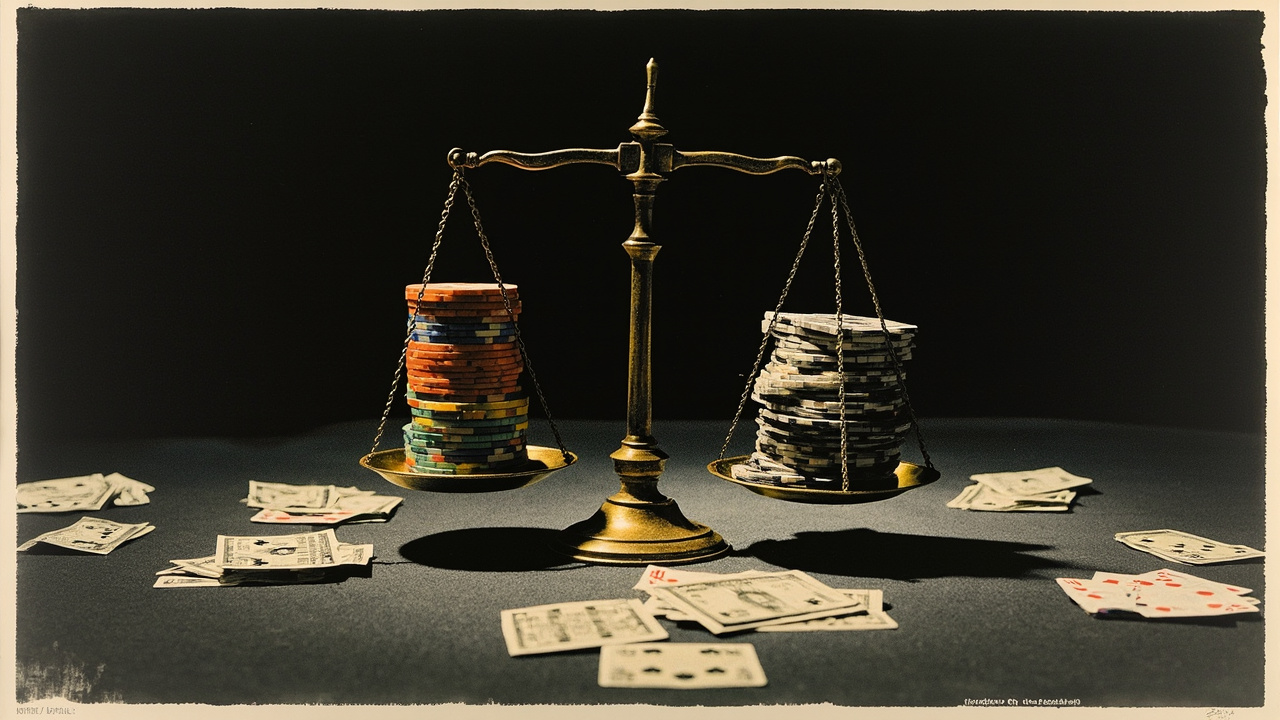
Bonus Structure, Wagering, and the Promo Questions That Matter
If an operator sweetens two-up with a welcome offer or a recurring promo, the rules of the game are only half the story; the other half is what the bonus actually asks you to do before you can withdraw. A bonus that looks generous on the face can carry wagering that makes two-up contribution awkward, especially if the table is treated as a low-contribution or excluded game for bonus rollover. I have modelled enough promotion tiers to know that the devil is in the contribution percentage and the cap, not in the headline credit, so the decision is really whether the offer fits the way you actually want to play.
A sensible bonus structure for an Australian-regulated table should tell you the offer size, the wagering multiple, the game contribution for two-up, the maximum bet limit while the bonus is active, and whether the promo is a one-off welcome thing or a recurring weekly or monthly drop. If two-up counts at less than full contribution, that should be stated plainly, because a player who assumes every credit wagered rolls over the bonus at 100 per cent is setting up a surprise. I have seen offers where the headline looks like a fair go and the fine print turns it into a slow grind, so the rule I use is simple: if the contribution and cap are not on the same page as the offer, treat the offer as a marketing line rather than a usable bonus.
When you are comparing operators, the practical move is to check the bonus page and the game rules side by side rather than trusting the promo banner on its own. If you want to see how one operator presents its login, account setup, and ongoing promos in one place, you can visit clubh0use-casino-login-au.com and read the offer terms there before you decide whether the table is worth a session. I am not saying any bonus makes the game itself better; I am saying the bonus terms are part of the decision because they change how much a session actually costs you in real terms. A player who reads the wagering and contribution before they deposit is making the same kind of call I make when I model a table: what is the real cost of playing, and does the offer match the way I want to play?
Two up is a fair-go game by history, but the version you play on a screen is only as fair as the table rules and the bonus terms behind it. If the toss is honest, the push is handled the way the old rules say, the house edge is named, and the promo contribution is spelled out before you fund the account, you are in a position to make a real decision rather than a guess. If any of those pieces is missing or muddy, the smart play is to leave the kip on the table and find a setup that does the maths out in the open.